FAQ’s

What makes Golden Mill Honey different?
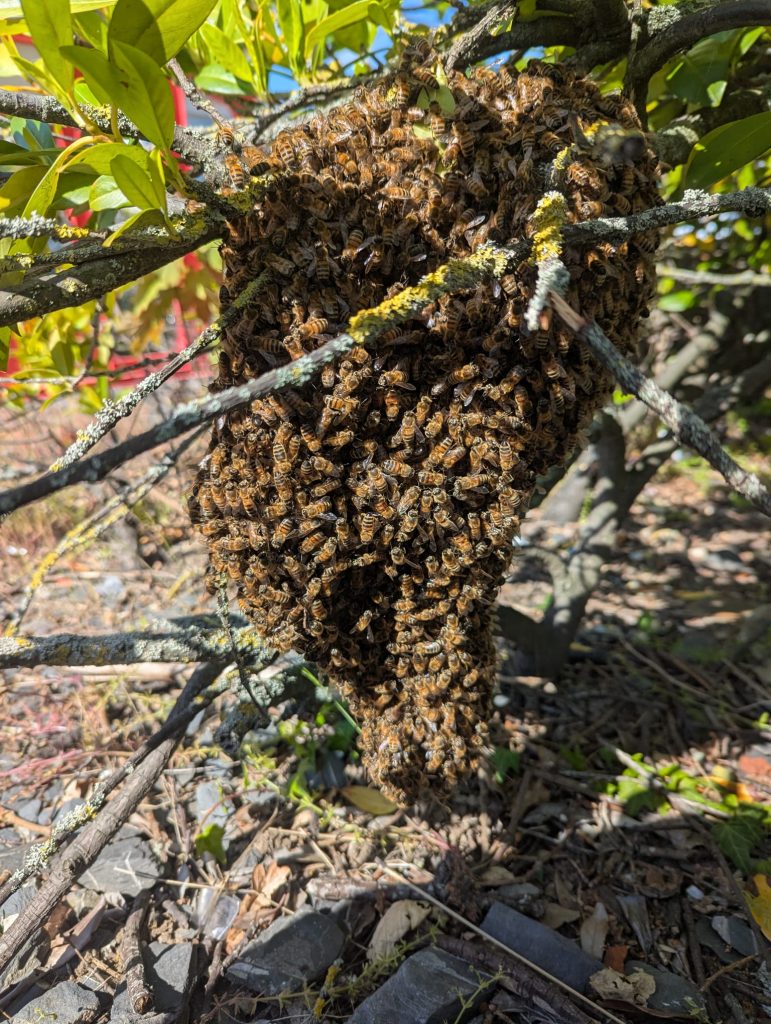
We’re a small, husband-and-wife beekeeping business, and all of our honey comes from our own hives across the North East.
We know which hive each jar has come from and when in the season it was produced, so every jar can be traced right back to where the honey started.
Once the honey is ready to harvest, we carefully extract it from the frames and jar it ourselves. We keep the process simple, allowing the natural flavour, colour and character of the honey to come through.
For us, it’s not just about selling honey — we genuinely enjoy looking after the bees, being outdoors and making the most of what our hives provide.
Is your honey 100% pure?
Yes. Our honey contains no added sugars, syrups, preservatives, or artificial ingredients.
Why does honey crystallise?
Crystallisation is completely natural and is a sign that your honey hasn’t been overly processed. Over time, the natural sugars in honey can form crystals, causing it to become thicker or grainy.
Different types of honey crystallise at different rates, depending on the flowers the bees have been visiting. It doesn’t mean the honey has gone off — it’s still perfectly good to eat.
If you prefer your honey runny, simply place the jar in warm water and gently heat it until the crystals dissolve. Avoid using boiling water or overheating the honey.
Does honey expire?
Honey doesn’t really expire when it’s stored correctly. You may notice changes in colour, texture or crystallisation over time, but this doesn’t necessarily mean the honey has gone bad.
Our jars have a Best Before End date, which is there to indicate how long we expect the honey to remain at its best. Keep your jar sealed and store it at room temperature, away from direct sunlight and moisture.
If your honey has crystallised, there’s no need to throw it away — it can still be enjoyed.
I’ve found a swarm of bees. What should I do?
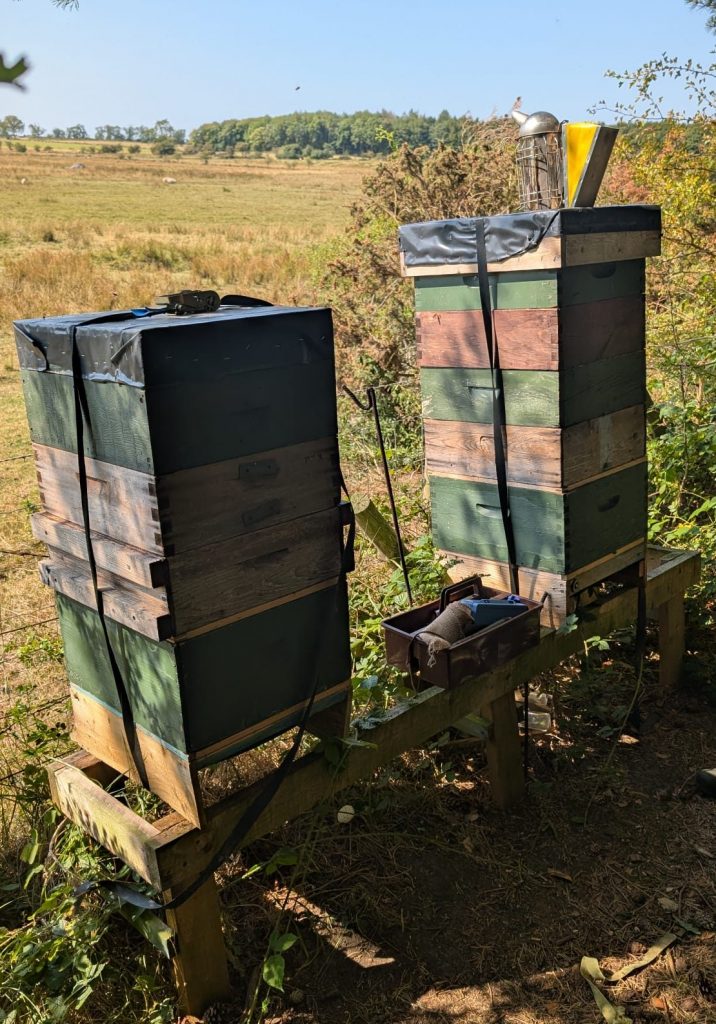
If you’ve spotted a swarm of honey bees, please do not disturb them. Swarming is a natural part of the honey bee lifecycle, and swarms are usually calm while they search for a new home.
If the swarm is safely accessible, we may be able to collect it or recommend another local beekeeper who can help. Please take a photo if possible and contact us with the location, size of the swarm, and your contact details.
You can reach us via our contact page, email, or phone:
Call us on 07725971842, Facebook, Instagram or hello@goldenmillhoney.co.uk.
Please note that we can only assist with honey bee swarms. Wasps, bumblebees, and bees nesting inside buildings require specialist advice.
If we are unable to assist, you can find a local volunteer swarm collector through the British Beekeepers Association (BBKA) Swarm Collector Finder. Simply enter your postcode to locate a beekeeper in your area who may be able to collect and rehome the swarm. The BBKA’s volunteer collectors can assist with swarms of honey bees.
Where does your honey come from?
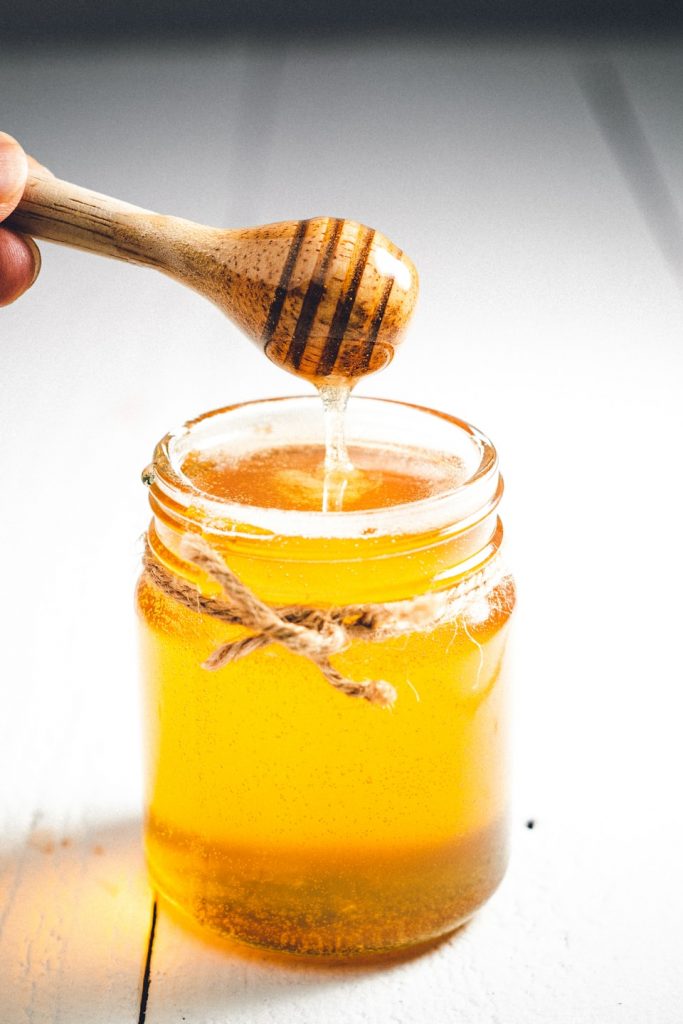
Our honey comes from our own hives in Ponteland, Dalton, Prestwick, Dinnington and Annitsford.
Our bees forage on the flowers and plants around their hives throughout the season, with each location offering something slightly different. This means the flavour, colour and character of our honey can vary from hive to hive and throughout the year.
Because it all comes from our own bees, we know where each jar has come from and when in the season it was produced.
Can children eat honey?
Honey is suitable for children aged 1 year and over.
Honey should never be given to babies under 12 months old, as it can contain spores of Clostridium botulinum, which can cause infant botulism.
If you’re unsure whether honey is suitable for your child, speak to your health visitor or GP.
Do you offer gift options?
Yes, we offer beautifully packaged honey products that make perfect gifts for birthdays, holidays, and special occasions.